One crew from start to finish — so when something needs fixing, nobody points at anybody else.
Square the hole, back it with wood or clips, set new board flush with the existing surface, then tape and feather the joint wide so no ridge shows. The last step is matching the texture around it — that is where most patches fail and where we spend the extra time.
Stained, sagging board gets cut out back to solid framing instead of painted over, because a soft ceiling only gets worse. We rebuild the opening, tape the seams and re-texture the ceiling so the repair reads as one plane from the doorway.
Board hung tight to the framing with joints staggered and screws set just below the paper, never broken through it. Basements, additions, garages and new houses — laid out so there are fewer seams to finish and fewer to see later.
Three coats on flats and butts, each one wider than the last, with corner bead set straight and coated clean. Sanded and checked under a light held flat to the wall, because a good tape job only shows itself once the paint is on.
Knockdown, orange peel, splatter and hand-troweled patterns matched to what is already on your wall, tested on scrap before it touches the room. Colorado houses run heavy on knockdown and popcorn ceilings, and both take a specific hand to fake convincingly.
Fresh patches and new board get primed first so the repair does not flash a different sheen than the rest of the wall. Cut lines are done by hand, edges are covered, and we paint corner to corner when a spot repair would never blend.
Most complaints about contractors are not about skill. They are about a price that grew, a crew that disappeared, and a phone nobody answered.
One hole behind a door is the call most crews never return. That job is the name on the truck — patch work is what we built the business around, not something we squeeze in between big contracts.
Knockdown, orange peel or a hand texture somebody troweled thirty years ago — matched by hand, on site, against your wall. That match is usually what separates a repair you stop noticing from one you point at.
Free estimate, then a written number before the first cut. If we find rot or a leak behind the board, you hear about it and approve the change before we keep going.
Floors covered, doorways sealed, sanding dust vacuumed instead of swept into your carpet. We walk the finished job with you and look at it from the doorway, not from six inches away.
The kind of Drywall work that goes out every week.
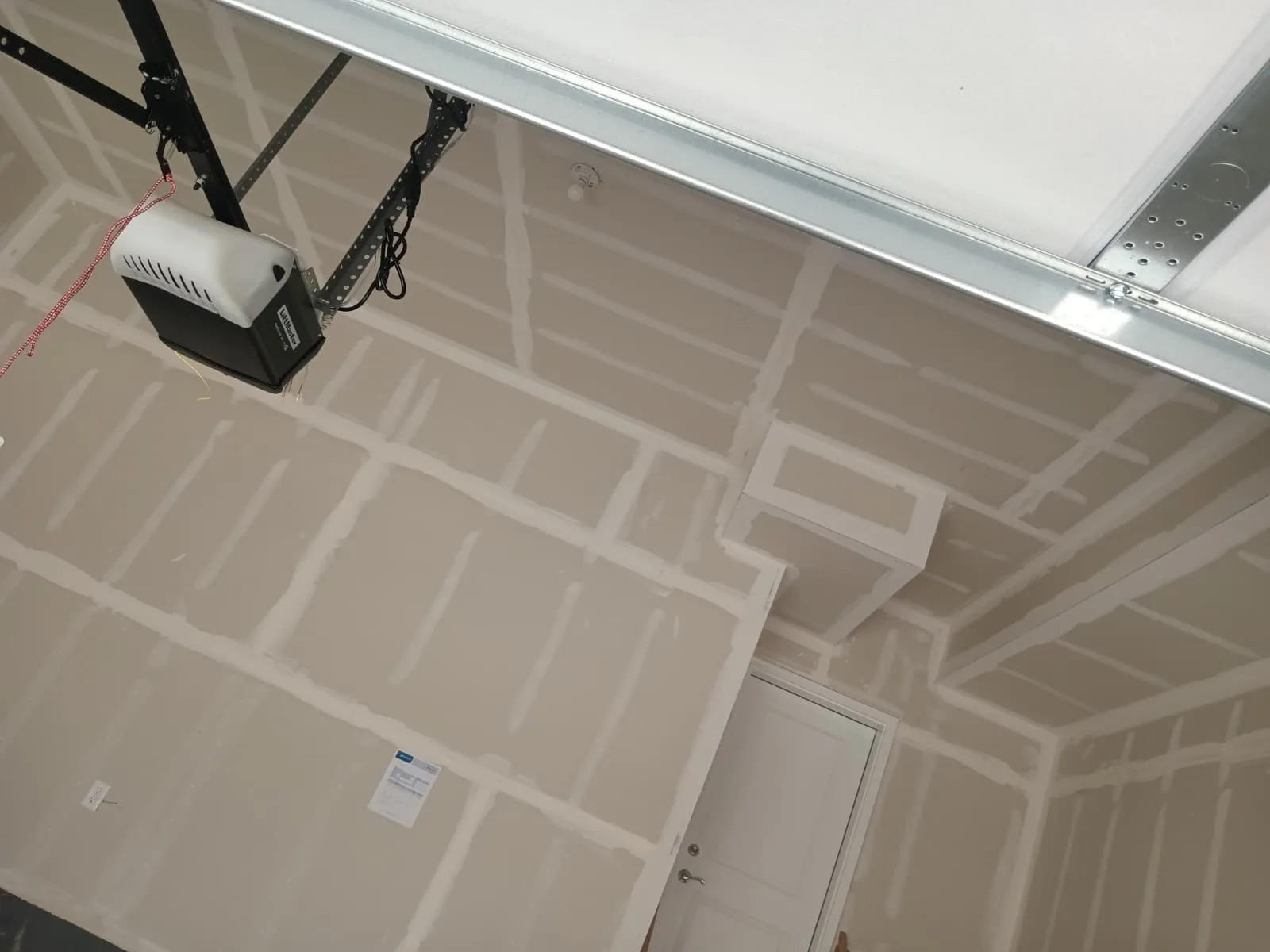
Garage ceiling and walls taped: seams, butt joints and screw lines coated straight around the opener rail and door track.
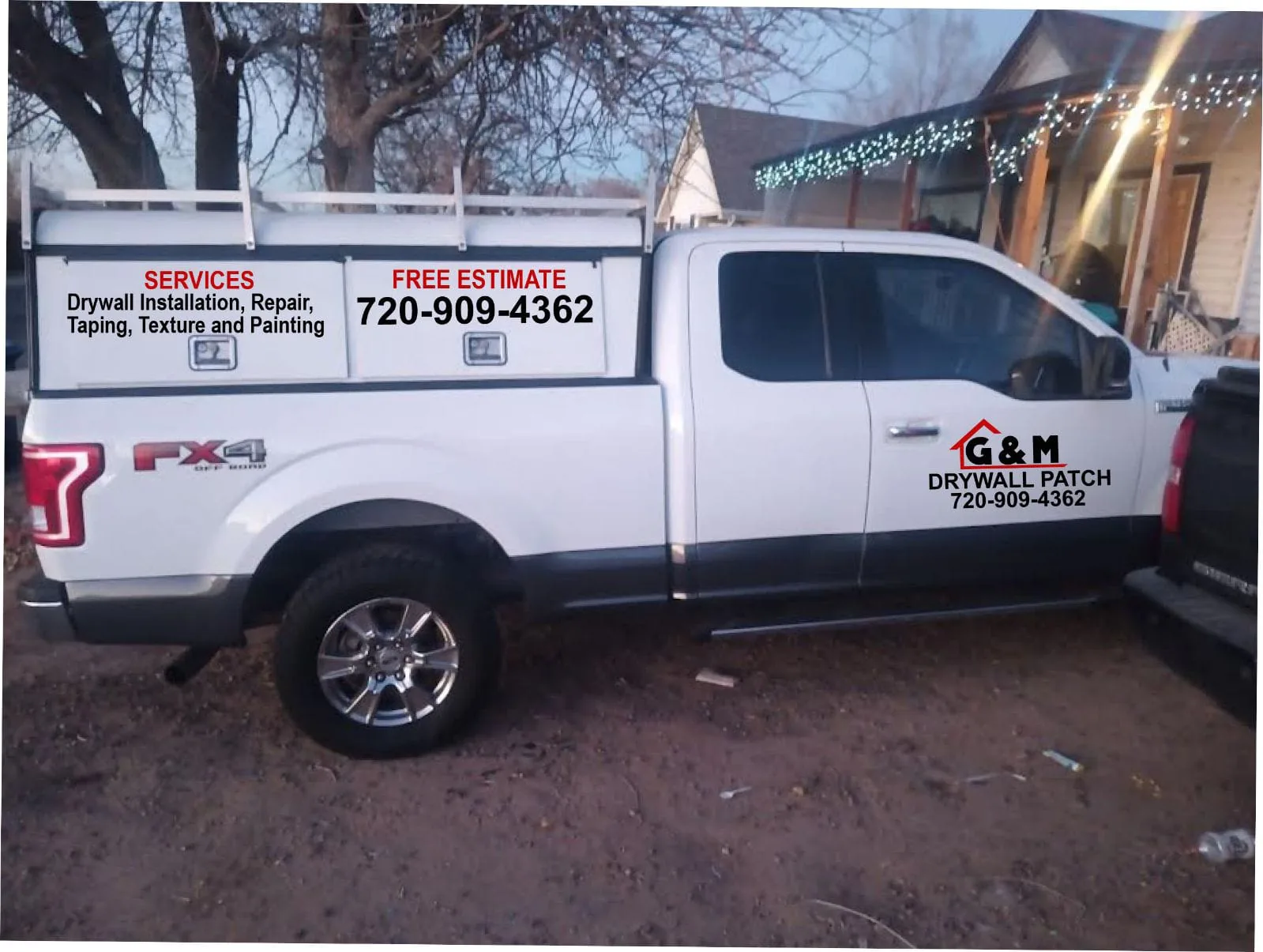
The G&M Drywall Patch truck at a residential job — installation, repair, taping, texture and painting.
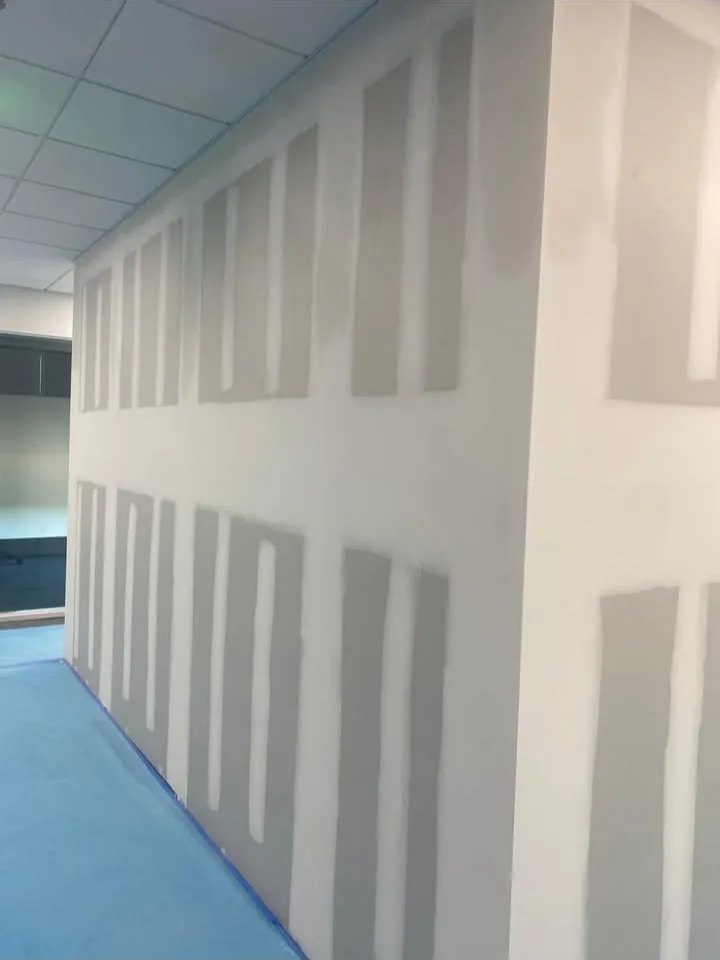
Interior partition wall taped and sanded, floor papered and base taped off before finishing continues.
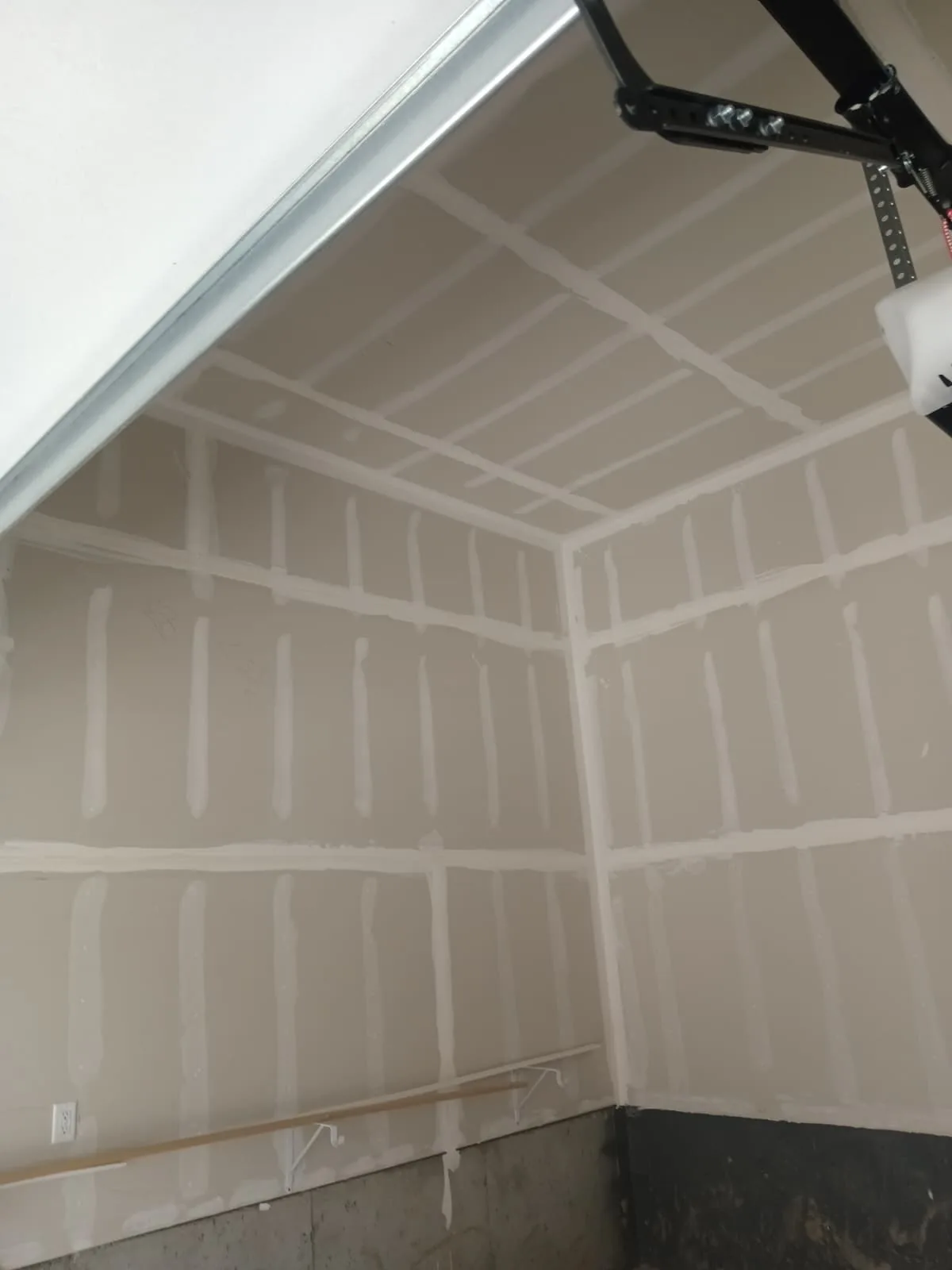
Second-coat taping in a garage — every joint feathered wide so nothing telegraphs through the finish.
Seven more from Gerardo's jobs: hanging, taping, texture, and the patches this company is named for.
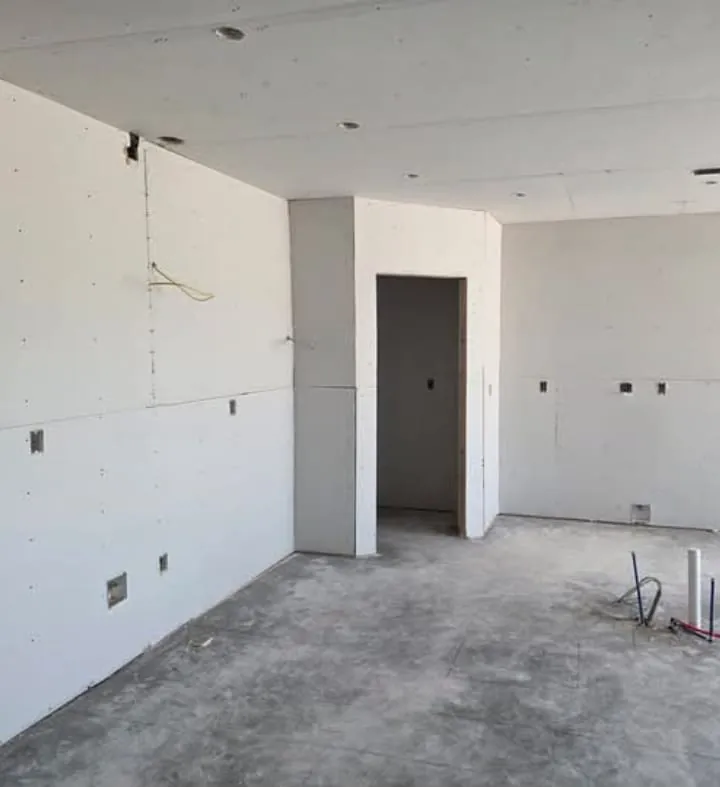
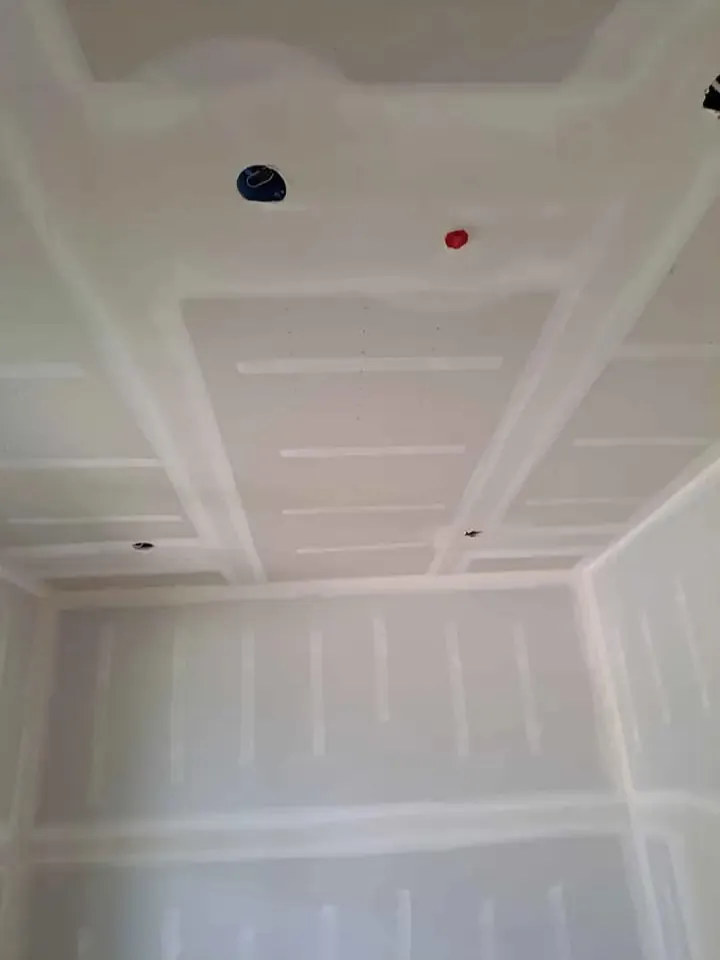
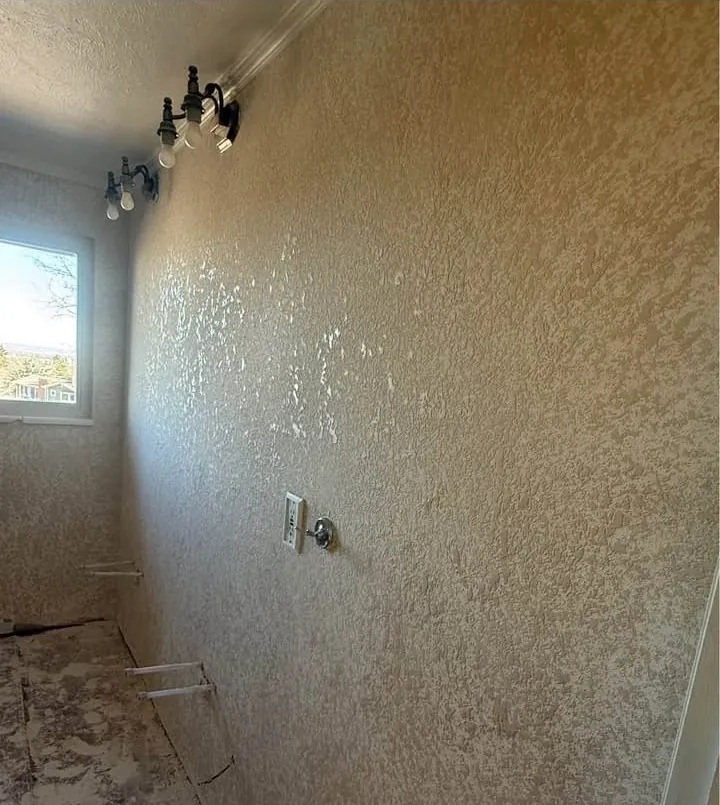
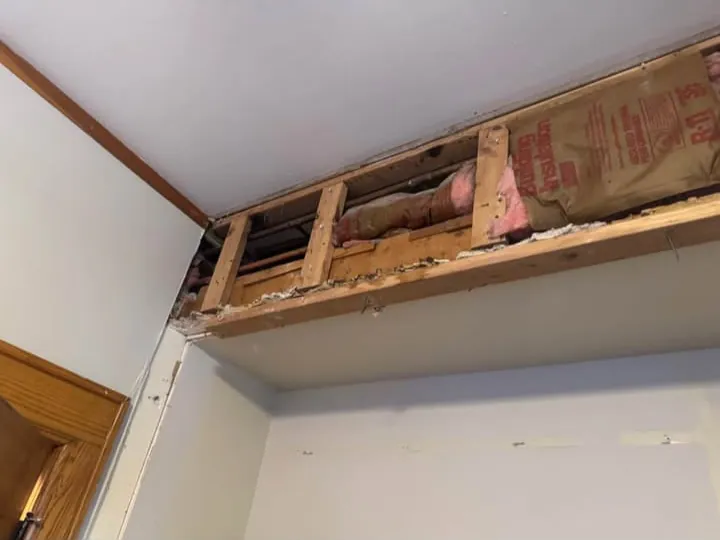
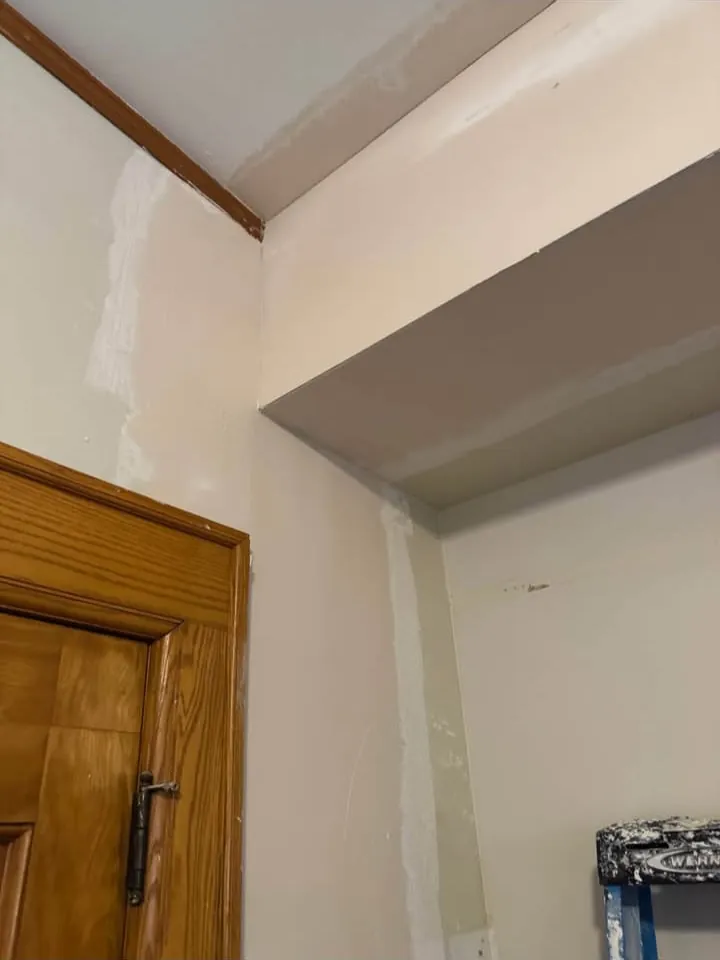
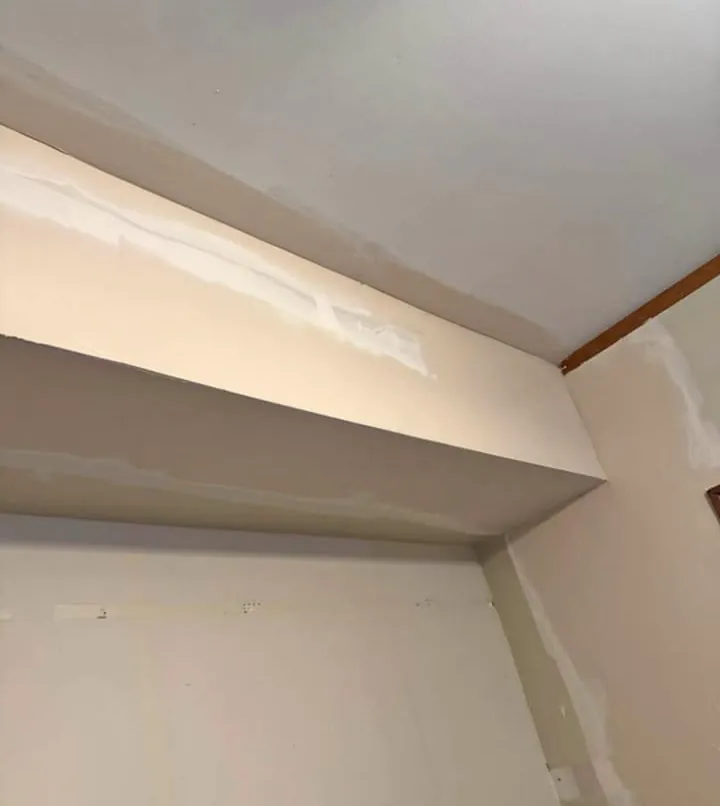
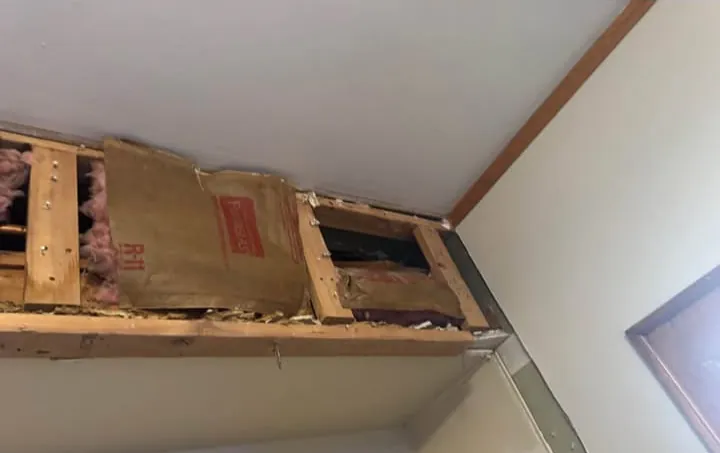
A patch isn't finished when the hole is closed. It's finished when you can't find it from the doorway.
Four steps, no pressure, no surprises at the end.
Tell us what is going on. Photos help if you have them handy.
We see the job in person and talk through the options with you.
A clear estimate, free, before anything starts. You decide from there.
Clean site every day, and we walk the finished job with you at the end.
G&M Drywall Patch works on houses throughout Colorado, and Gerardo travels — if the job is worth the drive, he will make the drive. Most work is residential: single rooms, basements, garages, whole-house new construction and repair calls of every size. Call with your town and what happened to the wall, and you will get a straight answer on scheduling.
Yes. Gerardo speaks Spanish and English, so you can call, text or walk the job in whichever one you prefer. Estimates and written prices can be explained in either language.
No — that is our specialty. Small patches are priced as their own visit, and several patches around the house are usually cheaper handled in one trip.
The goal is that you cannot find it from the doorway with the lights on. Heavy knockdown and popcorn textures blend the easiest; on a smooth wall in strong side light, honest blending sometimes means painting the full wall, and we tell you that up front.
Most patches need two visits because joint compound has to dry between coats, and rushing it is how cracks come back. Small repairs are often hang and first coat one day, finish, texture and paint the next.
We prime and paint, so one person owns the whole repair from open wall to finished color. If you have leftover paint from the original job, save it — matching from your can beats matching from a chip.
Floors get covered, the work area gets closed off, and cut board leaves with us. Sanding dust is vacuumed and wiped, and you should not be cleaning up after we go.
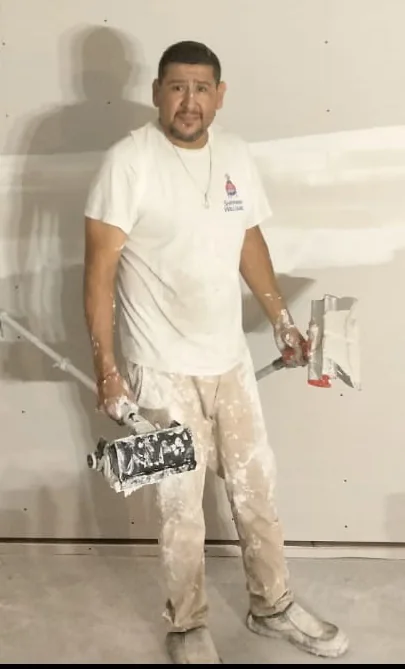
G&M Drywall Patch LLC is Gerardo's company, built around the part of the trade other drywallers avoid: repairs and patches. The work is what the truck door says: installation, repair, taping, texture and painting. The jobs range from a single hole in a hallway to taping out a new house from bare board. He works on homes throughout Colorado and travels wherever the job is.
That's him in the photo — mud on the pants, knife in hand. When you call G&M, the person who answers is the person who shows up.