The patch primed and painted so the repair does not read as a repair — in Denver and all around it.
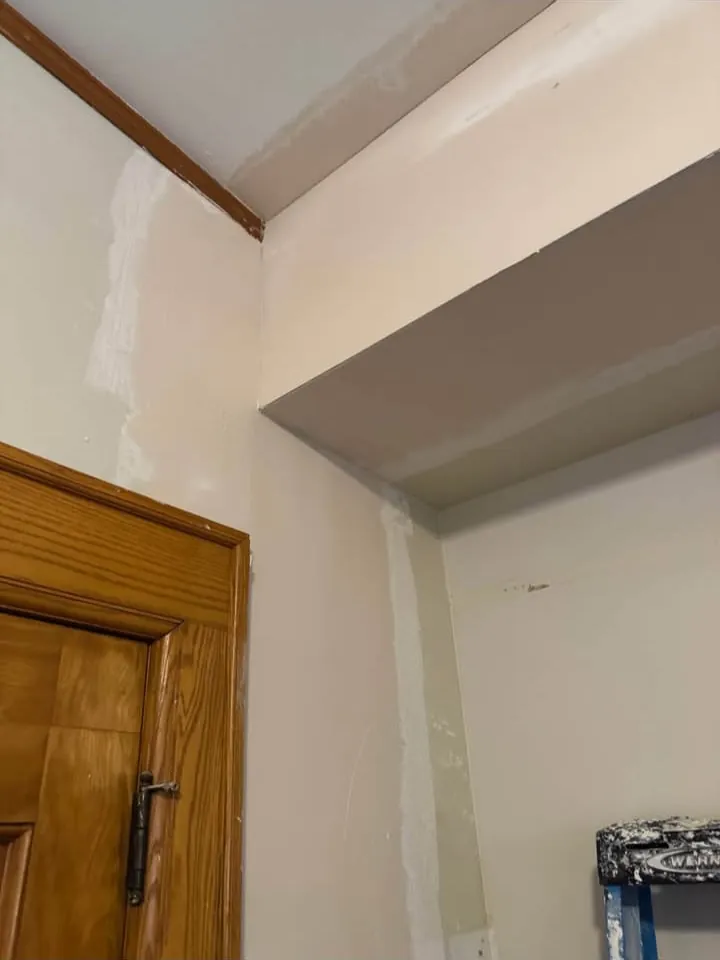
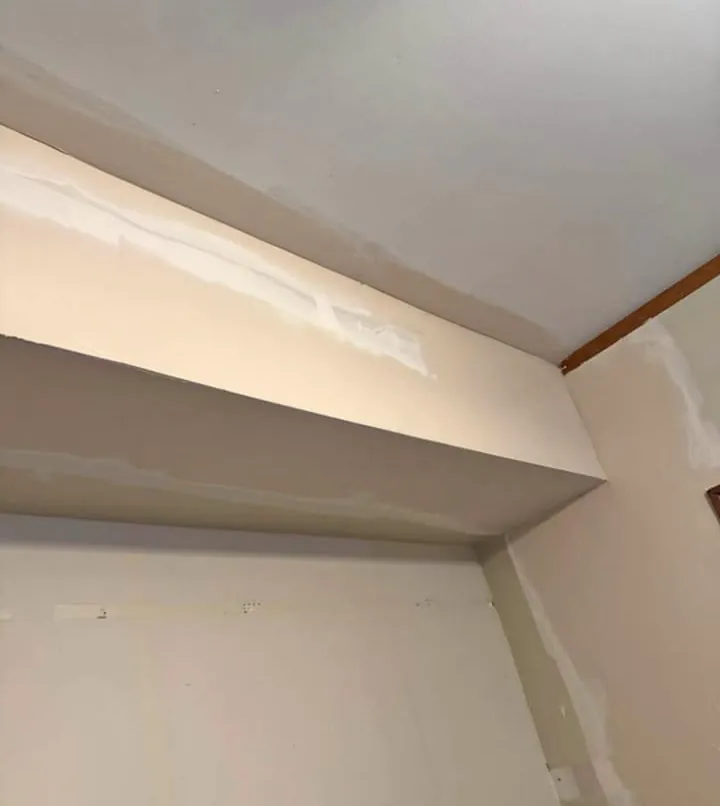
Most of our painting starts as the last step of a repair. New mud and old wall drink paint differently, so a patch that was primed properly disappears and one that was not shows as a dull shape the first time the sun comes across it.
We also take rooms and ceilings on their own — a room that is being turned over, a ceiling that went yellow, a basement that has never been painted since it was finished.
Primer is not an optional coat on repair work. It is what evens out how the surface takes the finish, and skipping it is the single most common reason a good patch still shows. Over new texture it also keeps the finish coat from soaking in unevenly across the pattern.
Edges get cut in by hand at the ceiling and the trim, and the floor gets covered before anything is opened. Where a colour has faded on a sunny wall, we will say so up front — painting a patch to match a faded wall is a promise nobody can keep, and corner to corner is the answer that actually works.
Patch only, wall to wall, or the whole room. On a sun-faded wall we will tell you up front that corner to corner is the honest answer.
Floors and anything staying in the room get covered before a lid comes off, not after the first drip.
New mud and texture get primed so they take the finish coat the same way the rest of the wall does.
Coats go on, edges are cut by hand, and the room goes back the way we found it before we leave for the day.
Raeford, Fayetteville and the towns around them are not one market — a Fort Bragg rental turning over, a brick ranch off Bragg Boulevard and a new build in Hope Mills are three different jobs.
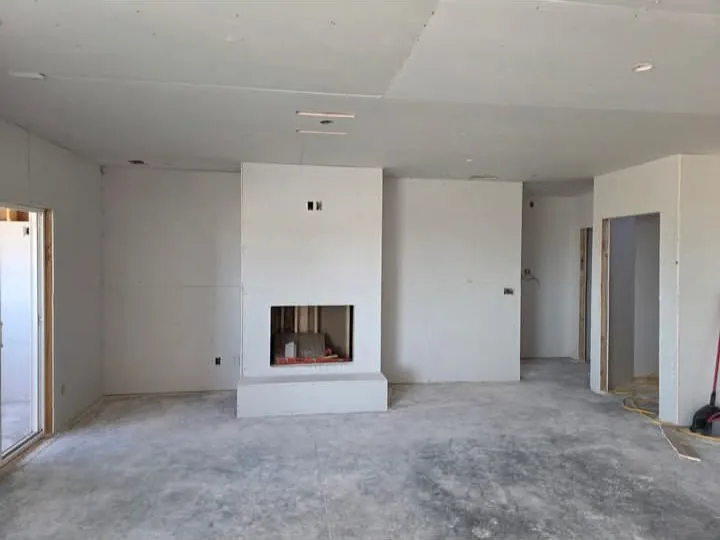
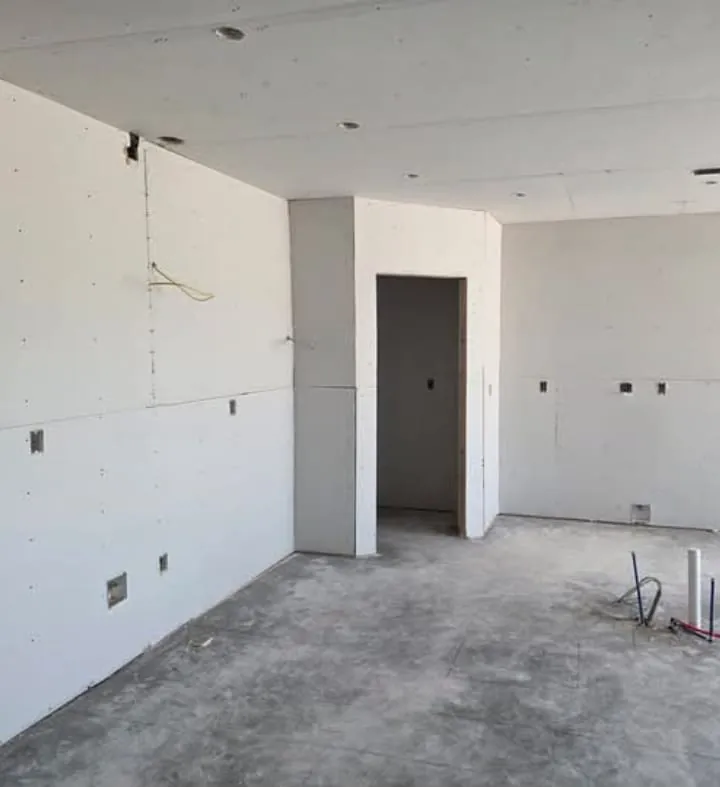
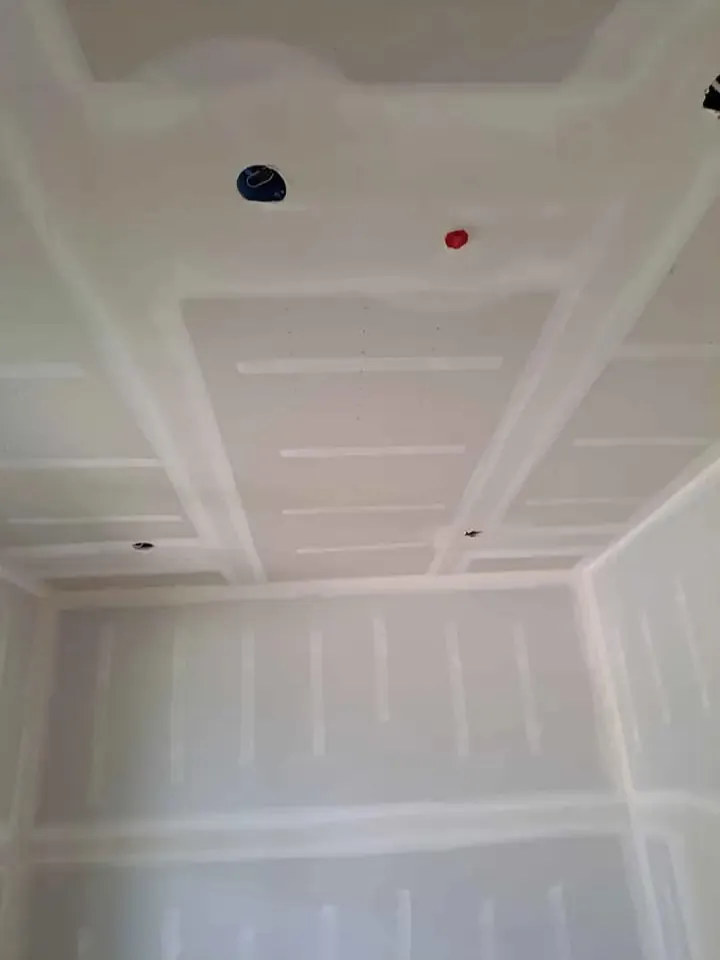
Tell us what happened to the wall or the ceiling — send a photo on WhatsApp if that is quicker. Free estimate, English or Spanish.
Call (720) 909-4362